 Best Garage Door Charlotte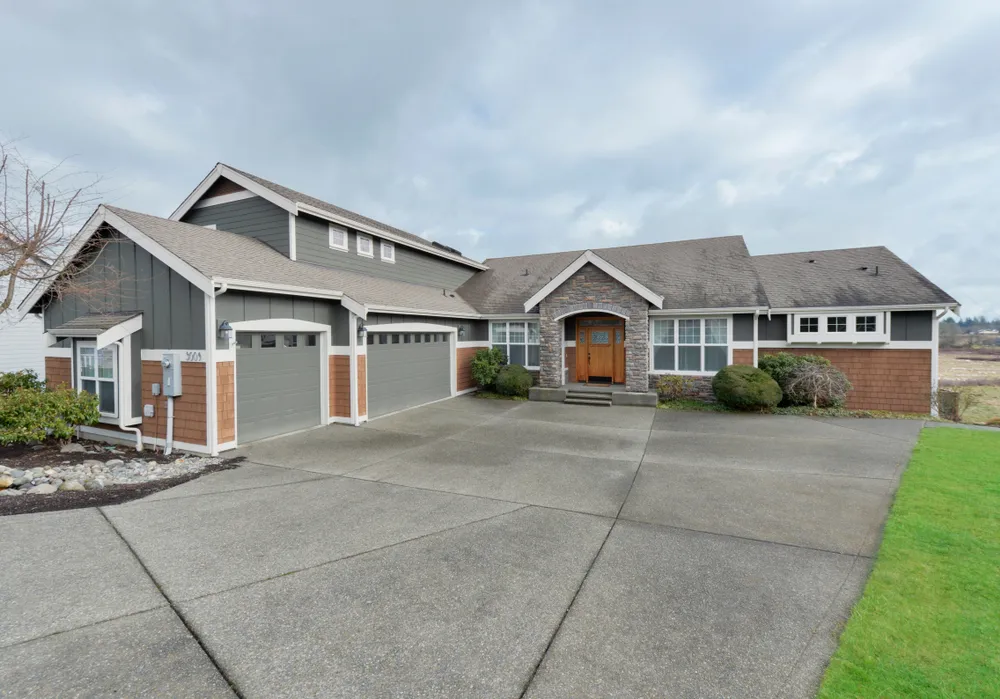
Not every Charlotte home comes with a garage. Older neighborhoods like Plaza Midwood, NoDa, Dilworth, and parts of South End have plenty of homes that were built with carports or no covered parking at all. If you have moved into one of these homes and want to add a garage, or if you have a one-car garage and need to expand to two, this is what the project looks like in Charlotte -- from permits and costs to timelines and choosing the right garage door.
Attached vs Detached: Which Makes Sense?
Attached Garage
An attached garage connects directly to the house, usually sharing a wall and providing interior access through a door into the home. This is what most Charlotte homeowners want because of convenience -- you walk from the garage into the house without going outside. It also typically adds more value to the home at resale.
The challenge with an attached garage is that it requires modifying the existing structure. You need a wall opening for the interior door, the roofline has to tie in to the existing roof, and the foundation work has to connect to or sit adjacent to the existing foundation. This is more complex and more expensive than a detached build.
Cost for an attached two-car garage in Charlotte: $35,000 to $65,000 depending on the size, foundation conditions, roofing complexity, and finishes.
Detached Garage
A detached garage is a standalone structure on your property, separate from the house. It is simpler to build because it does not require modifying the existing home. The foundation, framing, and roof are all independent. Detached garages are common in Charlotte's older neighborhoods where the house footprint does not allow for an attached addition.
The downside: you have to walk outside to get to and from the car. In Charlotte's summer heat and rain, that can be annoying. Some homeowners add a covered breezeway or walkway to connect the two structures, which adds $3,000 to $8,000 to the project but solves the weather exposure problem.
Cost for a detached two-car garage in Charlotte: $25,000 to $50,000 depending on size, foundation, and finishes.
Charlotte Permits and Zoning
Adding a garage in Charlotte requires a building permit. There is no getting around this. The project involves a new structure (or major structural modification to an existing one), foundation work, and possibly electrical and concrete work -- all of which require permits and inspections.
What Mecklenburg County Requires
- Building permit: Required for the structure itself. The permit application includes plans showing the dimensions, foundation type, framing, and connection to the house (if attached). Permit fees in Mecklenburg County run $500 to $1,500 depending on the project value.
- Zoning compliance: Your property must comply with setback requirements (how far the structure must be from property lines), lot coverage limits (the percentage of your lot that can be covered by structures), and height restrictions. In Charlotte, residential zoning typically requires 5-foot side setbacks and 20-foot rear setbacks for detached structures. Your contractor or architect can check this, or you can look up your property's zoning through Mecklenburg County's POLARIS system.
- HOA approval: If you live in a neighborhood with an HOA -- and many Charlotte neighborhoods have one -- you need HOA approval before pulling a county permit. HOAs typically have requirements about materials, style, color, and placement that must match the existing neighborhood character.
- Electrical permit: If the garage will have lighting, outlets, or an opener (which it will), a separate electrical permit is needed.
- Driveway permit: If you are adding or modifying a driveway to access the new garage, Charlotte's land development office may require a driveway permit, especially if it changes stormwater drainage patterns.
Fort Mill and South Carolina Properties
If your property is in Fort Mill, Tega Cay, or elsewhere in York County, South Carolina, the permit process is similar but goes through York County Building Permits instead of Mecklenburg County. The requirements are comparable, but the specific codes and fees differ. Your contractor should handle the permit applications in either jurisdiction.
What the Project Looks Like Start to Finish
Phase 1: Design and Permits (2 to 6 Weeks)
An architect or design-build contractor creates plans, pulls permits, and gets HOA approval if applicable. The design phase includes deciding on the garage door size, the number of bays, ceiling height, and any extras like a workshop area, storage loft, or additional living space above the garage.
Phase 2: Site Prep and Foundation (1 to 2 Weeks)
Clearing the site, grading, and pouring the concrete slab. Charlotte's clay soil often requires additional site prep -- the clay needs to be compacted properly or removed and replaced with structural fill to prevent foundation settling. This is not optional and skipping it leads to cracking slabs and structural problems down the road.
Phase 3: Framing and Roofing (1 to 3 Weeks)
The walls go up, the trusses are set, and the roof is sheathed and shingled. For attached garages, this includes tying the new roof into the existing roofline -- a critical detail that, if done poorly, leads to leaks. The roofing material should match the existing house for both aesthetics and HOA compliance.
Phase 4: Exterior, Electrical, and Finishing (2 to 4 Weeks)
Siding or brick to match the house, driveway extension or apron, electrical wiring for lights, outlets, and the garage door opener, and any interior finishing (drywall, paint, storage systems). The garage door installation typically happens in this phase.
Total Timeline
Start to finish, a new garage in Charlotte takes 6 to 15 weeks depending on the complexity, weather delays, permit processing times, and contractor availability. Charlotte's construction market stays busy, so scheduling a contractor 2 to 3 months in advance is common.
Converting a Carport to a Garage
If you already have a carport, converting it to an enclosed garage is significantly cheaper than building from scratch because the roof structure and some of the foundation already exist. A carport-to-garage conversion in Charlotte typically runs $8,000 to $20,000, which includes framing walls, adding a garage door, concrete work if needed, and finishing. See our full carport conversion guide for details on what this project involves.
Choosing the Right Garage Door for a New Build
When you are building a new garage, you get to choose the door from scratch rather than matching an existing one. Here is what Charlotte homeowners should consider:
Size
Standard single-car door: 8 or 9 feet wide by 7 feet tall. Standard two-car door: 16 feet wide by 7 feet tall. If you have trucks, SUVs, or want to store larger items, go with an 8-foot height. The cost difference between 7-foot and 8-foot doors is minimal ($50 to $150), but the extra headroom makes a noticeable difference in usability.
Style
Match the door to your home's architecture. Charlotte's ranch homes, Craftsman styles, and traditional colonials look best with raised panel or carriage house style doors. Contemporary and modern homes suit flush panel or full-view glass doors. Your general contractor or the garage door company can help you pick a style that complements the house. Browse custom door options if you want something beyond stock styles.
Insulation
For an attached garage in Charlotte, get an insulated door. Period. The temperature difference between an insulated and non-insulated garage in Charlotte's summers (95+ degree days) and winters (occasional teens and twenties) is dramatic. An insulated door with an R-value of 12 or higher keeps the garage usable year-round and reduces the thermal load on the rooms adjacent to the garage.
For a detached garage that will not be climate-controlled, a non-insulated door is fine and saves $200 to $500.
Budget
For a new garage build, the door is a relatively small part of the total project cost but has a big impact on curb appeal. Budget $800 to $2,500 for a quality door with installation. Going cheap on the door while spending $40,000 on the structure is a false economy -- the door is the most visible part of the garage from the street.
ROI: Does Adding a Garage Pay Off?
In the Charlotte market, adding a garage to a home that does not have one typically returns 60 to 80 percent of the construction cost at resale. A $40,000 garage addition might add $24,000 to $32,000 to the home's value. That does not include the intangible benefits: protected vehicles, secure storage, and improved daily convenience.
The ROI is higher in neighborhoods where most homes have garages and yours is one of the few without. Buyers in those markets expect a garage and may skip your listing entirely if it does not have one. In older Charlotte neighborhoods where no-garage is the norm, the ROI is lower because buyers are not expecting it.
Adding a garage is one of the few home improvements that genuinely makes daily life better while also adding real value. Unlike a kitchen remodel that you might not notice day to day, you use the garage every single day.
Planning to add a garage to your Charlotte home and need help picking the right door? Call to talk with a local garage door company about sizing, styles, and installation for your new build.