 Best Garage Door Charlotte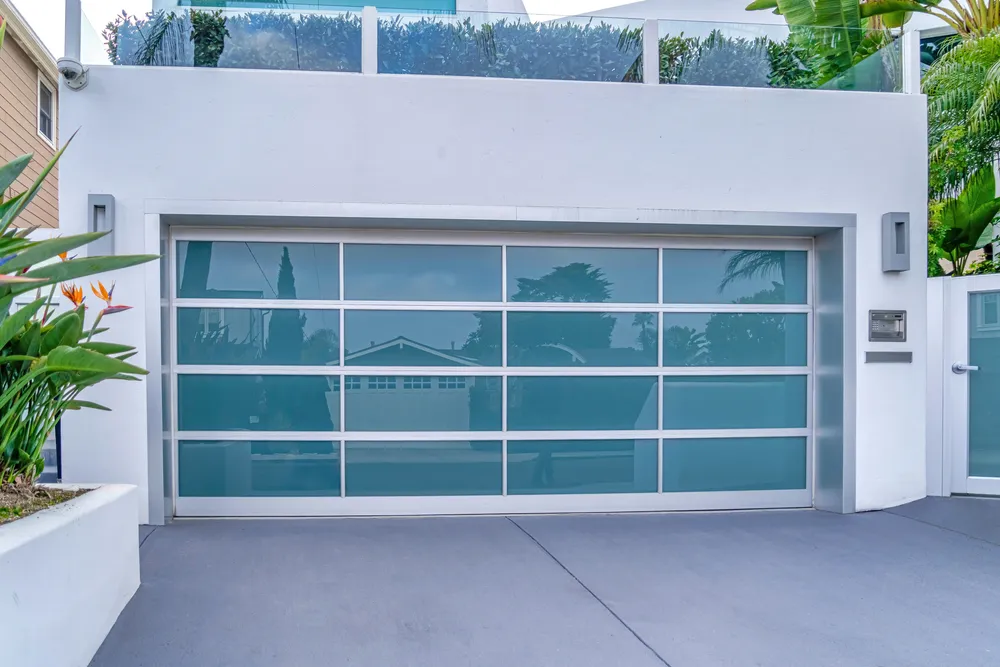
Most garage doors sold in the Charlotte area come from a catalog. They are available in a handful of standard sizes, a selection of panel designs, and a range of stock colors. For the majority of homeowners, a well-chosen stock door from our custom garage doors service page looks great and gets the job done. But there are situations where a stock door simply will not work, or where a homeowner wants something that goes beyond what the catalog offers. That is where custom garage doors come in. If you have a non-standard opening, a specific look you are going for, or a material preference that is not available off the shelf, a custom door gets you exactly what you want. Here is what to expect -- from the types of custom doors available to what they actually cost and how long they take to build.
What Makes a Garage Door "Custom"
The term "custom" gets thrown around a lot in the garage door industry, and it does not always mean what you think. A truly custom garage door involves one or more of the following:
- Non-standard size: Standard garage door widths are 8, 9, 10, 12, 14, 16, and 18 feet, with heights of 7 or 8 feet. If your opening falls outside these dimensions, you need a custom-sized door. This is more common than people realize, especially in older Charlotte neighborhoods where garages were sometimes built to non-standard specifications, or in newer custom-built homes where the architect designed an oversized or uniquely proportioned opening.
- Unique design: This includes non-standard panel layouts, custom window configurations, mixed materials on a single door, or a design that does not exist in any manufacturer's standard lineup.
- Special materials: Real wood like cedar, mahogany, or reclaimed barn wood. Aluminum with specialty glass options like frosted, tinted, or patterned. Composite with custom color matching to an exact paint swatch.
- Custom colors: Most manufacturers offer 10 to 20 stock colors. If your home is painted a specific shade and you want an exact match, that is a custom order.
Some orders are custom in multiple ways. A Lake Norman estate with an arched 20-foot-wide opening that needs a real cedar carriage house door with custom wrought iron hardware is custom in every sense of the word. For a sense of what projects like this cost, see our 2025 Charlotte garage door cost guide. A home in Dilworth that needs a standard-sized door in a non-stock color is only slightly custom. How custom it gets directly affects what you pay and how long you wait.
Types of Custom Garage Doors
Here is a closer look at the main categories of custom garage doors and what makes each one distinct.
Carriage House (Steel with Decorative Overlay)
This is the most popular custom door we see in the Charlotte area, and it is not close. The steel core handles the heavy lifting -- strength, durability, insulation -- while decorative overlay panels, hardware, and sometimes windows give it that old-fashioned swing-out look. Customization can be as simple as picking a non-stock color or unique hardware, or as involved as designing a completely one-off panel layout. For traditional homes in neighborhoods like Myers Park, Ballantyne Country Club, or Weddington, a carriage house door is often the ideal upgrade from a plain raised panel. Our article on boosting curb appeal in Ballantyne and Weddington covers what styles and colors work best in these communities. Pricing for custom carriage house doors typically ranges from $2,500 to $6,000 installed, depending on size, insulation level, and the extent of the customization.
Contemporary Aluminum and Glass (Full-View)
These have gotten very popular in the Charlotte area over the past few years, especially on the modern and transitional homes going up in South End, Plaza Midwood, and newer developments around the lake. The setup is an aluminum frame with glass panels -- clear, frosted, tinted, mirrored, or laminated with different opacities. You have a lot of choices here from leading manufacturers: frame color, frame thickness, glass type, number of horizontal and vertical rails, and single, double, or triple pane glass for insulation. These doors flood the garage with natural light and create a striking visual effect from the street. They are also popular for pool houses, workshops, and converted garage spaces that double as entertaining areas. Pricing ranges from $3,000 to $7,000 installed, depending on the glass type and frame configuration.
Real Wood
A real wood garage door just looks different. There is a warmth and texture to it that no composite or steel door can fully replicate. Cedar is the most common species because it naturally resists moisture and insects, but mahogany, hemlock, and even reclaimed wood are all on the table. A wood door stands out from the street -- no question. The trade-off is maintenance. Wood doors in the Charlotte climate need to be stained or sealed every two to three years to protect against moisture, UV damage, and the fungal growth that thrives in our humid summers. Without regular maintenance, a wood door will gray, warp, crack, and deteriorate much faster than steel or composite alternatives. Pricing for custom wood garage doors ranges from $4,000 to $10,000 or more, depending on the species, design complexity, and hardware choices.
Faux Wood Composite
If you love the look of wood but do not want the upkeep, composite or faux wood doors are the compromise. These doors use engineered materials that are molded and finished to look like real wood -- grain patterns, color variation, the whole thing. The better composites are hard to tell from actual wood unless you walk right up and touch them. They resist moisture, insects, UV fading, and denting better than real wood, and they never need to be stained or sealed. This makes them particularly practical in the Charlotte climate where summer humidity and heavy rainfall are facts of life. Pricing typically ranges from $2,000 to $5,000 installed.
Modern Flush Panel
Flush panel doors feature a smooth, flat surface without the raised sections or overlays found on traditional designs. They create a clean, minimalist look that works well on contemporary and modern homes. Custom options include non-standard sizes, specialty finishes like textured metallics, unique color matching, and integrated window slots that sit flush with the panel surface rather than protruding. These doors are increasingly popular in the newer developments around Charlotte where builders are incorporating more modern architectural elements. Pricing ranges from $1,800 to $4,500 installed, depending on material and finish.
The Custom Door Design Process
Ordering a custom garage door is more involved than picking a stock model out of a catalog. Here is what the process typically looks like from start to finish.
Step 1: Measurements and site assessment. A technician visits your home to take precise measurements of the opening, headroom, side room, and backroom. They also assess the condition of the framing, note any structural considerations, and photograph the home's exterior for reference during the design phase. This visit usually takes 30 to 45 minutes.
Step 2: Design consultation. Based on the measurements and your preferences, the installer will present options. Some companies use design software that can superimpose different door styles onto a photo of your home so you can see what each option will look like before committing. This is where you discuss panel layout, window placement, material choices, color options, and hardware selections.
Step 3: Material and color selection. For wood doors, this means choosing the species and finish. For steel or composite, it means selecting the color from the manufacturer's options or requesting a custom color match. For aluminum and glass, it means choosing the frame finish and glass type. Physical samples are typically available for materials, colors, and hardware so you can see and feel them in person.
Step 4: Hardware choices. Decorative hardware options include handles, strap hinges, clavos (decorative nails), ring pulls, and lock plates. The hardware finish, from black iron to brushed nickel to oil-rubbed bronze, can dramatically change the character of the door. Some homeowners match the hardware to their front door handles or exterior lighting fixtures for a cohesive look.
Step 5: Order and manufacturing. Once the design is finalized, the order goes to the manufacturer. Lead times vary by manufacturer and the degree of customization. Stock-size doors in a custom color may take three to four weeks. Fully custom doors with non-standard sizes, unique designs, or real wood construction may take six to eight weeks or longer.
Lead Times and Planning
The biggest practical difference between a stock door and a custom door is the wait. A stock door that is available at a local distributor can often be installed within a week of ordering. A custom door requires patience.
- Custom color on a standard door: 3 to 4 weeks
- Custom design with standard sizing: 4 to 6 weeks
- Fully custom (non-standard size, unique design, specialty materials): 6 to 8 weeks, sometimes longer
If you are working with a specific timeline, such as listing your home for sale or coordinating with other renovation work, factor in the lead time when you start the process. It is not uncommon for homeowners to begin the design conversation two to three months before they want the door installed.
Installation Considerations for Custom Doors
Custom doors sometimes require installation approaches that differ from a standard replacement. Here are the most common considerations:
- Non-standard tracks: Doors with unusual dimensions or weights may require custom-cut tracks rather than standard-length sections. This adds time to the installation but does not significantly affect cost.
- Reinforced hardware: Heavier doors, particularly real wood doors, may require reinforced brackets, heavier-gauge tracks, and more robust springs. The spring and hardware specification should be calculated by the installer based on the door's actual weight, not estimated from standard charts.
- Opener compatibility: Very heavy or oversized doors may exceed the capacity of a standard residential opener. Make sure your installer verifies that the opener can handle the door's weight and dimensions. A standard chain or belt drive opener handles up to about 500 pounds. Heavy custom wood doors can approach or exceed that limit.
- Installation time: A standard stock door replacement takes three to five hours. A custom door installation may take five to eight hours depending on the complexity of the door, the track system, and any adjustments needed to get a perfect fit and smooth operation.
Charlotte Architectural Styles That Benefit from Custom Doors
While a custom door can enhance any home, certain Charlotte architectural styles benefit more than others:
- Dilworth and Plaza Midwood craftsmans: Many of these early 1900s homes have garages that were added or modified over the decades, resulting in non-standard openings. A custom craftsman-style door with period-appropriate details can tie the garage into the home's original character.
- Myers Park colonials: The stately homes in Myers Park deserve garage doors that match their level of quality. Custom carriage house doors with wrought iron hardware and deep panel profiles complement the architectural gravitas of these properties.
- South End modern: The newer construction and renovations in the South End area often feature clean, contemporary lines that call for flush panel or full-view aluminum and glass doors. Stock options in these styles are limited, making custom the natural route.
- Lake Norman estates: The larger homes along Lake Norman frequently have oversized or uniquely configured garage openings that require custom sizing. These properties also tend to warrant a higher level of design attention, making custom materials and finishes a natural fit. See our Lake Norman garage door upgrades guide for more area-specific recommendations.
When Custom Is Worth It vs. a Well-Chosen Stock Door
Custom is not always the right call. Here is a simple way to decide:
Go custom when:
- Your opening is a non-standard size and stock doors will not fit properly
- Your home's architecture demands a specific look that is not available in stock lineups
- You need an exact color match to your home's exterior
- You want real wood or a specialty material not offered in stock configurations
- The garage door is a prominent architectural feature and the home warrants the investment
Stick with stock when:
- Your opening is a standard size
- A stock color is a close enough match to your exterior
- You are happy with one of the available stock designs
- Budget is a primary concern and you want the best value for your dollar
- You need the door installed quickly
A well-chosen stock door from a quality manufacturer can look just as good as a moderately custom door and cost a lot less. To compare popular manufacturers, read our Amarr vs Clopay vs C.H.I. brand comparison. What matters most is working with an installer who carries a wide selection and helps you find the right fit -- not just the cheapest door on the truck.
Working with the Right Installer
Custom garage doors require an installer who actually does this kind of work regularly. Not every garage door company handles custom orders, and the design, measurement, and installation process takes more expertise than a standard replacement. Ask how often they do custom projects, which manufacturers they use for custom products, and whether they can show you similar work they have done. A good custom installer will ask the right questions about what you are after, give you realistic options for your budget, and be straight with you on timeline.
A custom garage door costs more, takes longer, and is worth it when the situation calls for it. Carriage house door for a traditional home in Ballantyne, full-view glass door for a modern build in South End, real cedar for a lakefront estate on Norman -- the custom route gets you exactly the door your home needs. For Charlotte homeowners ready to explore their options, the next step is a professional installation consultation. If you want to know what a custom door would look like on your place and what it would run, call us at . We will talk through your options and give you real pricing based on your project.