 Best Garage Door Charlotte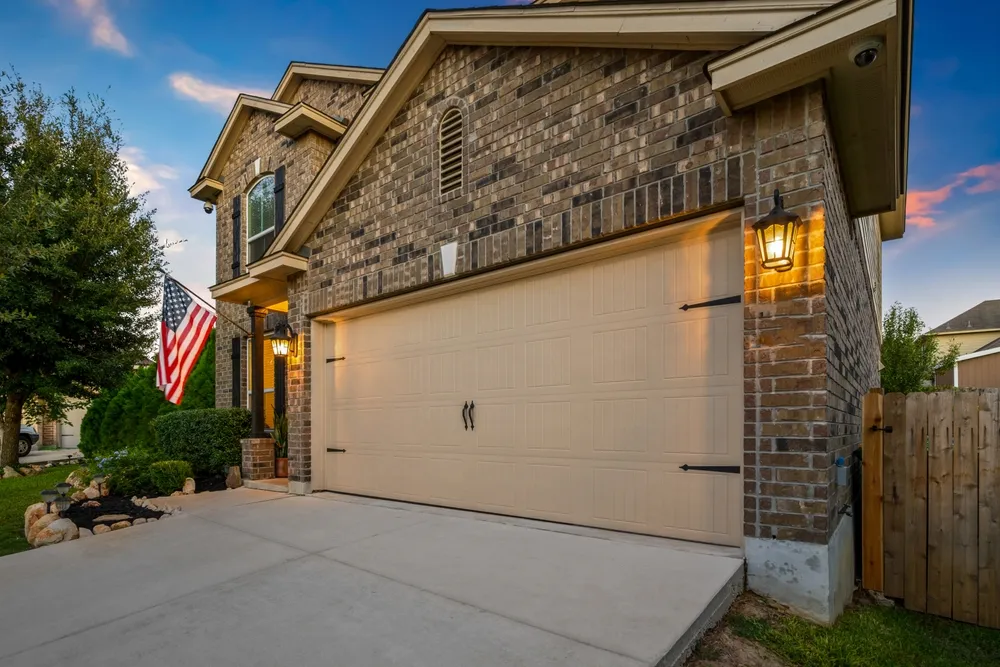
Your garage door takes up a third or more of your home's front face. Pick the wrong color and it sticks out in a bad way. Pick the right one and it ties the whole exterior together. Color matters more on a garage door than almost any other single element of your home's exterior, and Charlotte's specific mix of home styles, brick colors, and sunlight conditions make the choice different here than in other parts of the country.
Here is a practical guide to picking a garage door color that actually works, based on what we see looking good -- and not looking good -- on Charlotte homes every day. For a related look at what colors help sell homes, see our colors that sell guide.
The Two Approaches: Match or Contrast
Every garage door color decision comes down to one of two strategies.
Matching means the garage door blends in with the house. The door color matches the siding, trim, or overall body color. This approach makes the garage door visually disappear into the exterior. The house looks unified and the door does not draw attention. Matching works best when the garage door is large relative to the house face, when the home design is traditional, or when you want the landscaping or front door to be the focal point.
Contrasting means the garage door stands out from the surrounding colors. A dark door on a light house, or a stained wood-look door against painted siding. Contrasting draws the eye to the garage door and makes it a design feature rather than just a functional element. This works best on homes with interesting door styles -- carriage house, modern flush panel, or doors with windows -- where the door is worth looking at.
Most Charlotte homes look best with a moderate approach: the door relates to the house colors without being an exact match. A door that is a shade or two darker than the trim, or that picks up a secondary color from the brick or stone, usually hits the sweet spot.
What Works With Charlotte's Common Exterior Materials
Red and Brown Brick
Charlotte is a brick town. Red brick, brown brick, mixed-tone brick -- you see it everywhere from Dilworth to Ballantyne. The key with brick is to pick a door color that does not clash with the warm undertones in the brick.
Colors that work: warm whites (not bright white -- it looks stark against warm brick), dark bronze, espresso brown, dark walnut stain, greige (gray-beige blend), and black. Black has become very popular on Charlotte brick homes in the last few years and works surprisingly well, especially on traditional homes where it adds a modern edge without fighting the brick.
Colors to avoid: cool-toned grays (they fight the warm brick undertones), bright colors (red, blue, green -- they compete with the brick), and pure bright white (looks cheap and stark against most Charlotte brick).
Light Siding (White, Cream, Light Gray)
Homes with light-colored siding have the most flexibility. Almost any garage door color works because the light background is neutral. The most popular combinations in Charlotte right now: white siding with a black door, cream siding with a dark bronze or walnut door, and light gray siding with a charcoal or dark gray door. Navy blue is also having a moment on homes with white siding, especially in the Lake Norman area.
Dark Siding (Navy, Charcoal, Forest Green)
Dark siding with a lighter door creates a clean, grounded look. White or off-white doors on dark siding homes are classic and always work. A door that matches the siding color exactly can look flat, so going a shade lighter or adding a faux wood-grain finish adds dimension.
Stone and Stone Veneer
Charlotte has a lot of stone and stone veneer on homes, especially in newer construction in Weddington, Marvin, and south Charlotte. Stone is multi-toned, so the door color should pull from one of the colors in the stone rather than trying to match it overall. A warm gray, taupe, or medium brown usually works. Stay away from colors that are not represented anywhere in the stone palette.
The Most Popular Garage Door Colors in Charlotte Right Now
Based on what Charlotte homeowners are ordering in 2026 and 2027:
- Black -- The most requested color across all neighborhoods and home styles. It works on everything from modern to traditional. Black ages well, hides dirt, and photographs beautifully for real estate listings.
- Dark bronze / espresso -- Popular on homes with warm-toned brick and stone. Softer than black but still high-contrast.
- Greige -- A gray-beige blend that splits the difference between warm and cool. Very popular in Ballantyne, Providence Plantation, and Weddington where the HOAs favor neutral earth tones.
- White -- Still the most common color on existing homes, though fewer people are choosing it for new doors. Clean and classic, but shows every speck of dirt and pollen (which is a real issue during Charlotte's brutal March-April pollen season).
- Faux wood finishes -- Walnut, cedar, and mahogany-look finishes applied to steel doors. All the warmth of wood without the maintenance headaches in Charlotte's humid climate.
How Charlotte's Sunlight Affects Color
This is something most people do not think about, but it matters here. Charlotte gets intense sun from May through September, and the angle and intensity of that light changes how colors look on your house.
South-facing doors get direct sun for most of the day. Colors appear lighter and more washed out in direct sunlight. A color that looks perfect in the store or on a sample chip can look a full shade lighter on a south-facing door in midday sun. Go slightly darker than you think you want.
North-facing doors stay in shade most of the day and the color will look truer to the sample but also slightly darker. What looks medium gray on a chip may look almost charcoal in permanent shade.
West-facing doors catch the warm orange-toned light of Charlotte sunsets. Cool colors like blue-gray look warmer in the afternoon. Dark colors absorb a lot of heat, which can be a concern for painted finishes -- the finish degrades faster on west-facing doors.
The best way to test is to order a color sample from the manufacturer and hold it against your house at different times of day. Most major brands offer sample chips or small sample panels for exactly this purpose.
HOA Restrictions
If you live in a Charlotte neighborhood with an HOA -- and the majority of newer developments have one -- check the architectural guidelines before picking a color. Common restrictions include:
- Pre-approved color palettes (you must choose from a specific list)
- The garage door must match or complement the house body color
- No colors that are significantly darker or lighter than the house trim
- No "statement" colors (red, blue, green, yellow -- basically anything outside the neutral spectrum)
- Wood-grain finishes may or may not be allowed
Some HOAs in Ballantyne, Providence, and Weddington are particularly strict about exterior colors. Get approval before you order. A door in the wrong color that has already been installed is an expensive mistake if the HOA makes you change it.
Factory Finish vs. Paint
You have two options for getting color on a garage door: factory-applied finish or field-applied paint.
Factory finishes are baked-on coatings applied by the manufacturer before the door ships. They are extremely durable, UV-resistant, and come with a warranty (typically 5 to 10 years against peeling, cracking, and excessive fading). The color options are more limited -- most manufacturers offer 8 to 20 standard colors plus wood-grain options. But the quality and longevity of a factory finish far exceeds field-applied paint. For Charlotte's climate, with intense UV and high humidity, factory finish is the better choice.
Field-applied paint gives you unlimited color options. You can match any paint chip or color code. But paint applied on-site does not bond as durably as a factory coating, especially on steel doors. In Charlotte's climate, field-applied paint on a garage door typically lasts 3 to 7 years before it starts fading, peeling, or chalking, versus 10 to 15 years for a factory finish. If you want a custom color that the manufacturer does not offer in their standard palette, field paint is the only option, but go in knowing you will need to repaint sooner.
Tips for Getting It Right
- Look at your neighbors. Drive through your neighborhood and note which garage door colors look good and which look off. Context matters -- a color that works on a ranch in Dilworth might not work on a two-story in Indian Trail.
- Start with the fixed elements. Brick, stone, and roof color are not changing. The garage door needs to work with them, not the other way around.
- Match the trim, not the body. If your house is light with darker trim, matching the garage door to the trim color almost always looks better than matching it to the body.
- Consider the front door. The garage door and front door do not need to match, but they should not fight. If your front door is a bold color, keep the garage door neutral.
- View samples at your house. Never pick a color from a catalog or screen. Get a physical sample and hold it against your house in natural light.
Want help choosing the right color for your Charlotte home? Call to connect with a local installer who carries color samples and can show you options in person.