 Best Garage Door Charlotte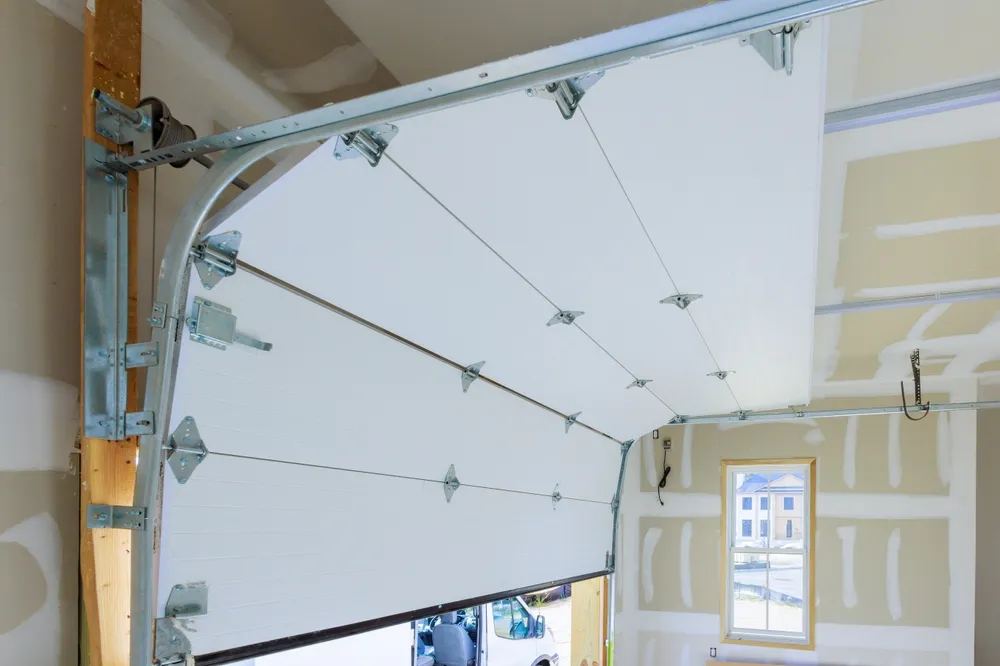
Rollers are the small wheels that ride inside the vertical and horizontal tracks on each side of your garage door. Most homeowners never think about them until they hear grinding, see the door wobbling, or watch a roller crack and fall off. But worn rollers are behind a surprising number of garage door problems -- noise, jerky movement, doors jumping off track, and extra strain on your opener motor. Replacing them is one of the cheapest, most effective upgrades you can make to your garage door system.
Here is everything Charlotte homeowners need to know about roller types, signs of wear, replacement costs, and when to DIY versus calling a pro.
How Many Rollers Does Your Door Have?
A standard residential garage door has 10 to 12 rollers. A single-car door (8 or 9 feet wide) typically has 10 -- two at each hinge point between sections, plus two at the bottom brackets. A double-car door (16 feet wide) has 12 because it has an extra hinge per section to handle the wider span. Each roller has a stem that fits into a hinge bracket and a wheel that rides inside the track.
All the rollers should be the same size and type. Mixing roller types causes uneven door movement and puts extra stress on the opener. When you replace rollers, replace all of them at once.
The Three Types of Garage Door Rollers
Plastic Rollers
These are the cheapest option and the ones that come standard on most builder-grade garage doors in the Charlotte market. The wheel is solid plastic (usually nylon or polyethylene) with no ball bearings. They are quiet when new, but they wear out fast -- typically in 3 to 5 years. As they age, the plastic gets brittle from Charlotte's heat and UV exposure, develops flat spots, cracks, and eventually crumbles. Once a plastic roller starts deteriorating, pieces can fall into the track and cause the door to bind or jump off track.
Plastic rollers are fine as a temporary or budget option, but if you are replacing rollers anyway, spending a little more on nylon is worth it.
Steel Rollers
Steel rollers have a metal wheel with ball bearings. They are durable and can last 10 to 15 years, but they are the noisiest option. The metal-on-metal contact between the steel wheel and the steel track creates a rolling, rumbling sound every time the door moves. In a detached garage this might not matter. In a house where bedrooms are above or adjacent to the garage -- which is most Charlotte homes -- steel rollers can be annoying, especially early in the morning or late at night.
Steel rollers also require regular lubrication. Without it, the bearings seize and the roller starts sliding instead of rolling, which wears a flat groove in the track and creates even more noise.
Nylon Rollers (with Sealed Ball Bearings)
These are the best option for most Charlotte homeowners. A nylon wheel with sealed ball bearings is much quieter than steel, lasts 7 to 12 years, and requires minimal maintenance. The sealed bearings keep out the dust, grit, and moisture that Charlotte's environment throws at them. The nylon wheel does not create the metal-on-metal noise problem. These rollers typically run $5 to $8 each versus $1 to $3 for plastic and $3 to $5 for steel.
For the price difference, nylon with sealed bearings is the clear winner. A full set of 10 to 12 nylon rollers costs $50 to $96 in parts. Compare that to the $150+ you might spend on a service call to fix problems caused by cheap plastic rollers that failed prematurely.
Signs Your Rollers Need Replacing
Here is what to look and listen for:
- Grinding or scraping noise: Worn bearings or flat-spotted wheels grinding against the track. This is the most common first symptom.
- Wobbling door: If the door shakes or vibrates as it moves, the rollers are not tracking smoothly. Worn rollers do not sit firmly in the track.
- Visible cracks or chips: Look at the rollers with the door closed. If you see cracks in plastic rollers or chips missing from the wheel, they need to go.
- Flat spots: A roller with a flat spot will cause a rhythmic thump-thump-thump as the door moves. The door may hesitate at certain points in its travel.
- Roller not spinning: Push the door open manually (disconnect the opener first) and watch the rollers. If any roller is sliding in the track instead of rolling, the bearings are seized.
- Door came off track: A cracked roller that breaks apart is one of the most common causes of a door jumping off its track. If you have had an off-track incident, inspect all rollers immediately.
Roller Size Matters
Garage door rollers come in two standard sizes: 2-inch and 3-inch diameter wheels. The stem length also varies. Before you buy, measure your existing rollers or bring one to the hardware store. Most residential doors use 2-inch rollers with a 4-inch stem. Some heavier doors and older homes use 3-inch rollers. Using the wrong size will not fit properly in the track or hinge bracket.
The stem diameter is also important. Standard residential is 7/16-inch. Commercial doors use a thicker stem. Using a residential roller on a commercial door (or vice versa) is a recipe for failure.
DIY vs. Professional Replacement
This is where it gets important. Most of the rollers on your door can be replaced as a DIY project. But two of them -- the ones at the very bottom of the door, in the bottom brackets -- should not be touched by anyone except a professional. The bottom brackets are directly connected to the cable system, which is under extreme tension from the torsion springs. If a cable slips while you are removing a bottom bracket roller, the bracket can snap with enough force to cause a serious injury.
DIY-safe rollers: All the rollers in the hinge brackets between sections. To replace one, open the door fully, clamp the track above the roller you are working on (to prevent the door from sliding down), remove the hinge bracket bolts, pull out the old roller, insert the new one, and re-bolt the hinge. Work on one roller at a time so the door stays intact.
Pro-only rollers: The two bottom bracket rollers. Let a qualified technician handle these. They have the tools and training to safely work around the cable tension.
What Professional Replacement Costs
A full roller replacement (all 10 to 12 rollers) by a Charlotte garage door company typically runs $100 to $200 total, including parts and labor. That gets you nylon sealed-bearing rollers installed on every hinge point. If you upgrade from plastic to nylon, the difference in noise and smoothness is immediately obvious.
Many companies will replace rollers as part of a broader tune-up that also includes lubrication, hardware tightening, spring inspection, and opener adjustment for $120 to $200 total. If your door is due for general maintenance, bundling the roller replacement into a tune-up is a good value.
Charlotte Humidity and Roller Wear
Charlotte's high humidity affects rollers in two ways. First, moisture promotes rust on steel rollers and steel stems. Rust creates friction, which accelerates wear and increases noise. Second, humidity combined with dust and pollen creates a gritty paste that accumulates in the tracks and on the roller wheels. This grit acts like sandpaper, wearing down roller surfaces faster than they would in a dry, clean environment.
Sealed ball bearing rollers resist this better than open-bearing designs because the seals keep grit out of the bearing race. This is another reason why sealed nylon rollers are the best choice for Charlotte homes -- they are built to handle the kind of environmental conditions we deal with here.
Keep the tracks clean by wiping them down with a damp cloth two to three times a year. Do not lubricate the tracks themselves -- that attracts more grit. Lubricate the roller bearings and hinge pivot points with white lithium grease or silicone spray, following our lubrication guide.
Quick Summary
- Best roller type for most Charlotte homes: Nylon with sealed ball bearings
- Average lifespan: 7 to 12 years (nylon), 3 to 5 years (plastic), 10 to 15 years (steel)
- Number of rollers per door: 10 to 12
- Parts cost (full set, nylon): $50 to $96
- Professional replacement cost: $100 to $200
- DIY difficulty: Moderate (except bottom brackets -- call a pro for those)
Rollers are cheap, easy to upgrade, and make a noticeable difference in how your door sounds and operates. If your door is making noise, wobbling, or just seems harder to open than it used to be, worn rollers are one of the first things to check. Call to schedule a roller replacement or full tune-up with a Charlotte garage door technician.